Featured

Just a Few Tips for Starting Out

Hey! welcome to the Press N Wear blog.  It’s been a while trying to get all of this up and running so we apologize for not getting content out here.  What is there to know about starting off with HTV?  There’s quite a bit, actually, that we have learned over time through experience and through listening to other people.  We’ll take a minute to go through some of them.  Hopefully as we go we can answer some questions that you may have running through your heads.

What’s the difference between Heat transfer Vinyl (HTV) and iron on vinyl?

Nothing.  Nada, zero, zilch.  These are the same thing, they are cast on plastic or paper backing and are meant to be used to cut designs out of and press to your garments.

Not all HTV’s are created equal.

Depending on the brand you get there will be many differences that you should be aware of.  Some HTV’s are glossy, some are semi-gloss, and some have a matte finish.  Often times they will feel different to the touch on your finished garment, and some you may not like.  Some will have a sticky backing and others have a non stick backing.  Colors will vary based on brand, as will the instructions for applying them.  Some will be made of PVC and others will be made of polyurethane components.  We encourage you to try different brands in order to find one that you like. 

Is working with HTV easy?

Not necessarily.  We read about users who got in to using htv thinking that they would master it the first time, who then become frustrated because it’s nowhere near as easy as they thought.  Take your time as you go through the steps, and go easy on yourself.  Like anything else, it’s a skill and it takes time, patience and practice. Don’t be fooled in to thinking that you can’t do it.  Many designers and crafters out there have been working with vinyl for years and make it look easy.  Remember they were once beginners too. 

As a final piece of advice I would recommend going on to Facebook and  join some of the cricut and/or silhouette crafting groups.  There is a wealth of knowledge out there for people at all skill levels.  

Be yourself; Everyone else is already taken.

— Oscar Wilde.

This is the first post on my new blog. I’m just getting this new blog going, so stay tuned for more. Subscribe below to get notified when I post new updates.
Heat Transfer Vinyl

Pre-Press Apparel

For a flawless print, pre-press your garment before applying vinyl. Heating up the garment before pressing it helps release moisture and eliminates wrinkles. When you press the platen down, it is normal to see steam seep out of the edges of the heat press. The trick is to press until the steam no longer is visible, usually about 5-10 seconds. Sometimes heavier materials, like 100% cotton hoodies, need to be pressed longer to expel all moisture. This being said, some synthetic materials, like nylon,  might not need any pre-pressing.

Straighten up your Design

One of the most common mistakes when heat pressing is having the artwork go on crooked. Without lasers or rulers, it can be tricky to confidently line artwork up. Some foolproof ways to ensure straight artwork is to simply fold the shirt down the middle, so both sleeves are touching. Crease the shirt so you can see the line running vertically down the middle of the shirt. This ensures your art is in the right area and helps with left and right chest prints. Some printers also use the three finger rule. This is laying three fingers (usually two inches) directly under the collar of the shirt for the art placement.

By far the best way to straighten up your design is to make sure the garment is laying straight on the heat press in the first place. A trick is to line the shirt’s tag up with the backbone of the heat press, ensuring there is an equal amount of space between the sleeves and the platen. Make sure you are not stretching the garment, which can cause skewing issues.

Maintain your Press

The number one way to ensure you’re printing pristine pieces of artwork every time is to make sure your heat press is operating at full strength. The rule of thumb is to check your press’ temperature and pressure accuracy every six months. You can test the temperature with Thermolabels. Make sure to test all areas of the platen for consistent temperature. Cold spots in your press could mean application problems. To test the pressure, hang a piece of paper off the edges of your heat press and press it with a low-medium pressure. Pull the paper and ensure that all corners have similar resistance.

Source link: https://www.pressnwear.com/

HOW TO USE HEAT TRANSFER VINYL

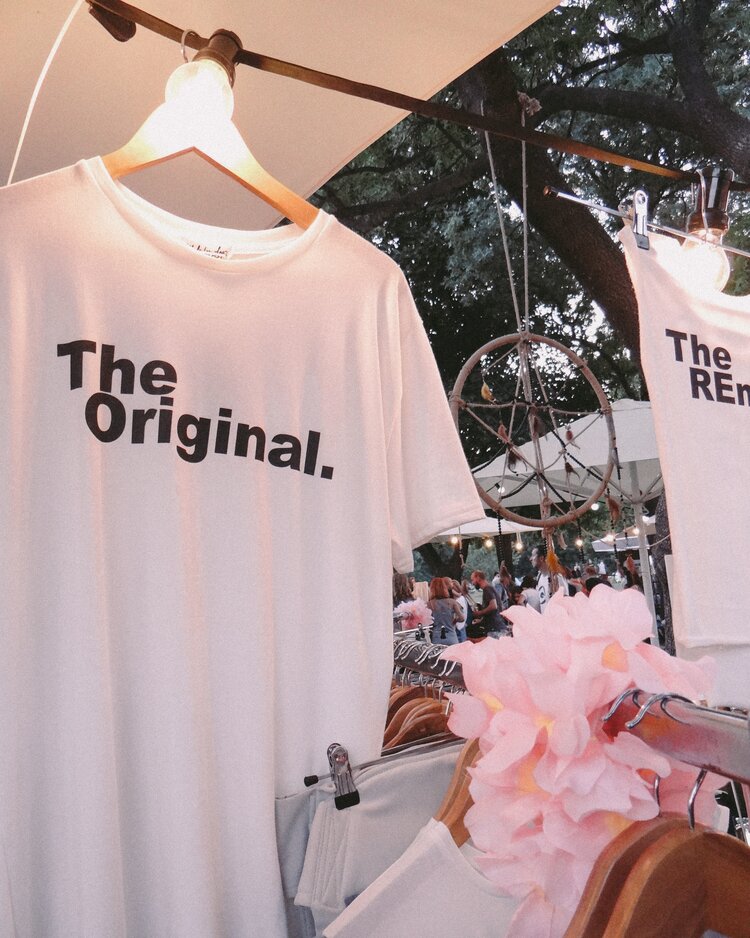
Learn how to create vinyl shirts, tote bags, and far additional with iron on vinyl! If you’re unaccustomed operating with vinyl, it will be a small amount overwhelming, however this in small stages guide can teach you specifically the way to use heat transfer vinyl, and you may be creating custom tees and additional in no time! This post contains affiliate links, that facilitate to support this website at no further value to you.
If you’re unaccustomed the planet of operating with heat transfer vinyl, then you’re within the right place! this is often my complete beginner’s guide to mistreatment heat transfer or iron on vinyl, and that i am here to indicate you ways to use heat transfer vinyl thus you’ll begin making!

Heat transfer vinyl

Press N Wear is that the original heat transfer vinyl employed by league sports groups within the USA thanks to its superior performance and durability! Heat Transfer is that the easiest method to realize multi-color graphics on your clothes. Browse our large choice of warmth transfer vinyl rolls and sheets in wholesale.

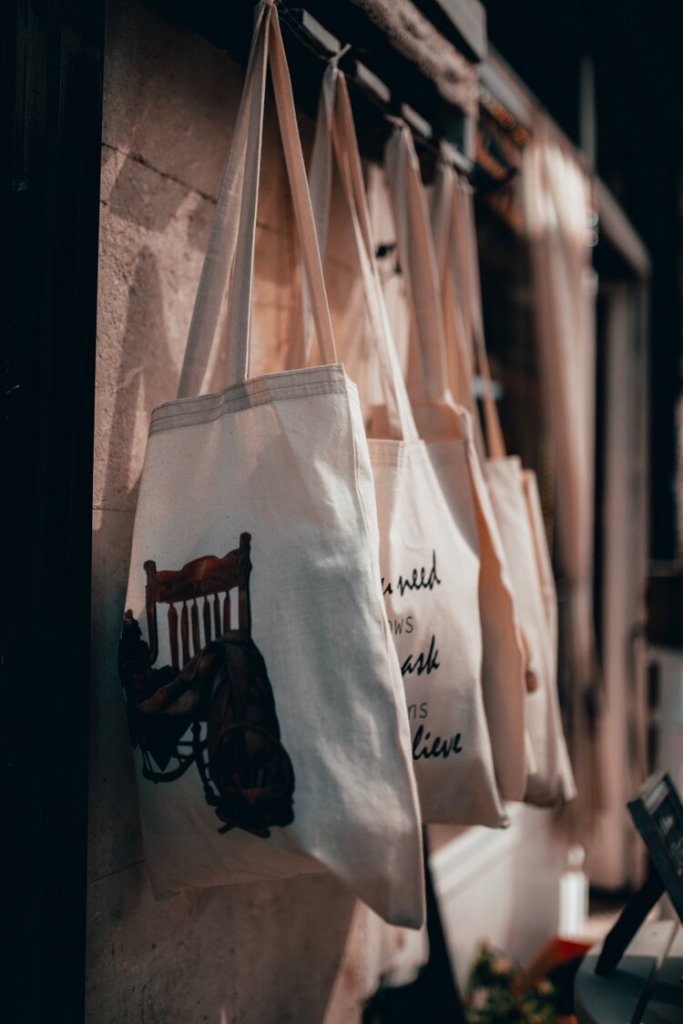
(aka HTV) is easy my favorite thanks to individualise gifts for friends. I mean, UN agency doesn’t love a fun new t-shirt? And with heat transfer vinyl, you’ll simply customise it to be one thing personal that they’ll love. however iron on vinyl isn’t solely smart for t-shirts! you’ll use it on tote luggage, animal skin notebooks, shoes, and even wood!

Source Link: https://www.pressnwear.com/

Design a site like this with WordPress.com
Get started